
"thermal explosion"
90 article(s) found

Coffee roasting Basics of roasting
I. The so-called coffee roasting (coffee roasting) refers to the process of converting raw beans into dark brown raw beans by heating the raw beans to cause a series of physical and chemical reactions inside and outside the coffee beans, and in the process to generate various flavors such as acid, bitterness, and sweetness of coffee, forming alcohol and color. 2. The importance of baking affects a cup of coffee

The basics of baking the meaning of baking
one。 The meaning of baking 1. The definition of roasting so-called coffee roasting (coffee roasting) refers to the heating of raw beans to promote a series of physical and chemical reactions inside and outside of coffee beans, and in this process to produce a variety of sour, bitter, sweet and other flavors of coffee, forming mellowness and hue, and converting raw beans into dark brown beans. two。 The importance of baking is affecting a cup of coffee.
Basic knowledge about roasting of boutique coffee
one。 The meaning of baking 1. The definition of roasting so-called coffee roasting (coffee roasting) refers to the heating of raw beans to promote a series of physical and chemical reactions inside and outside of coffee beans, and in this process to produce a variety of sour, bitter, sweet and other flavors of coffee, forming mellowness and hue, and converting raw beans into dark brown beans. two。 The importance of baking is affecting a cup of coffee.
The basics of coffee roasting
one。 The meaning of baking 1. The definition of roasting so-called coffee roasting (coffee roasting) refers to the heating of raw beans to promote a series of physical and chemical reactions inside and outside of coffee beans, and in this process to produce a variety of sour, bitter, sweet and other flavors of coffee, forming mellowness and hue, and converting raw beans into dark brown beans. two。 The importance of baking is affecting a cup of coffee.

Introduction of coffee roasting method and process what is the secret of coffee roasting? coffee roasting curve skills
Professional coffee knowledge exchange more coffee bean information please follow the coffee workshop (Wechat official account cafe_style)
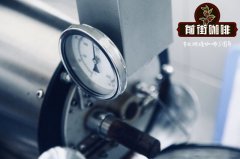
Common methods of roasting coffee beans the best type of coffee roaster is.
Professional coffee knowledge exchange more coffee bean information please follow coffee workshop (Wechat official account cafe_style) coffee bean roaster brand _ coffee bean roaster price _ coffee bean roaster guide what is the importance of roasting? The factors affecting the taste of a cup of coffee are raw beans (60%), roasting (30%) and extraction (10%). Good roasting can exert the personality of raw beans to the extreme.
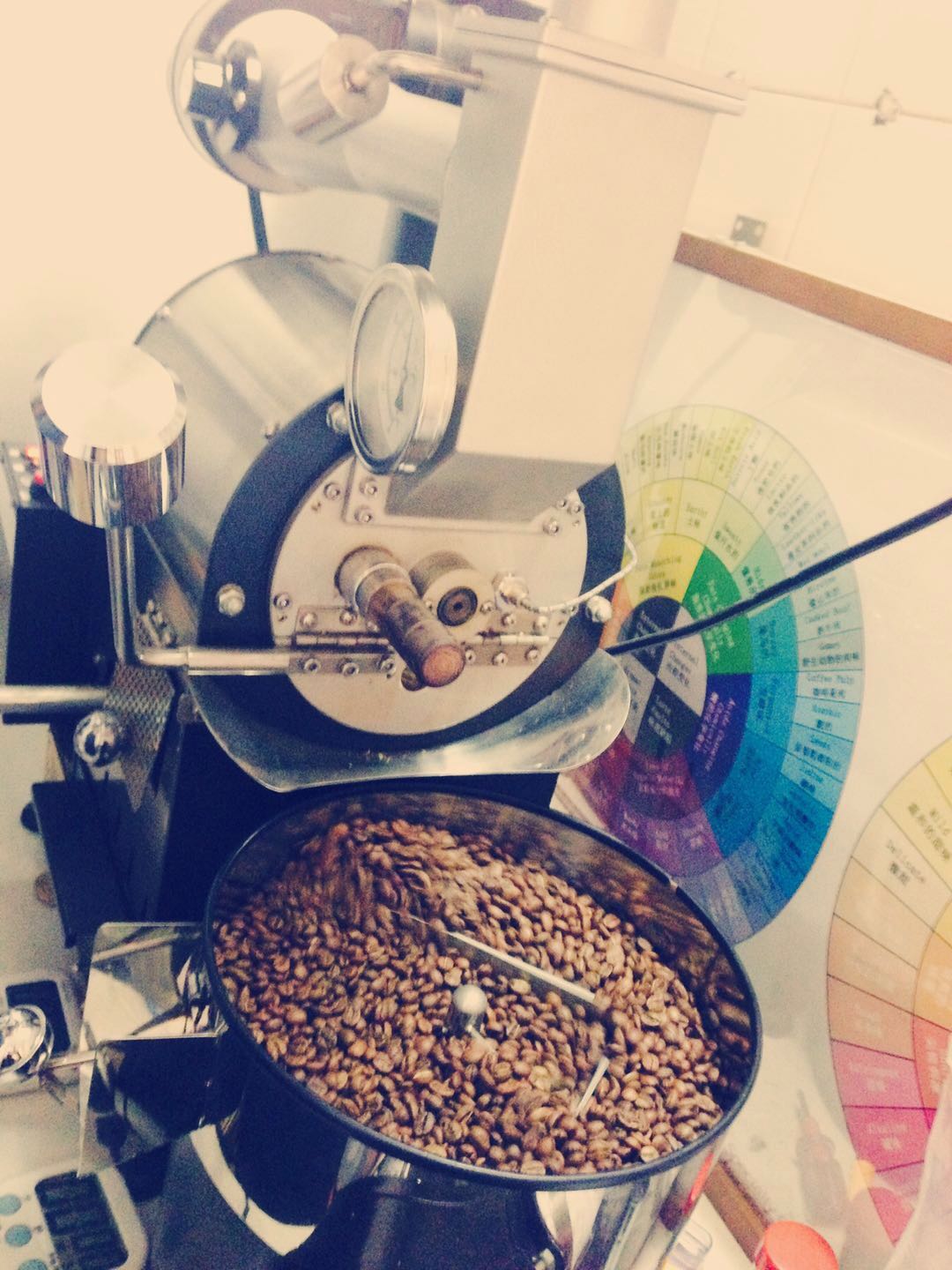
Coffee beans roasting knowledge points: basic knowledge about roasting to understand the key points affecting coffee quality
I. The so-called coffee roasting (coffee roasting) refers to the process of converting raw beans into dark brown raw beans by heating the raw beans to cause a series of physical and chemical reactions inside and outside the coffee beans, and in the process to generate various flavors such as acid, bitterness, and sweetness of coffee, forming alcohol and color. 2. The importance of baking affects a cup of coffee

Explanation of professional terms related to coffee roaster
Rear burner A device that reburns the smoke generated by a coffee roaster with a high heat energy burner to eliminate smoke. At the same time, it can reduce the smell. Net basket A stainless steel basket used by the silver skin of the Fujiga machine dust collector. Can undertake a larger amount of silver than the standard. A transformer converts electric power into a device with variable voltage and variable ripple number, with controllability, stability and knots.

How important is coffee bean roasting to beans? What is the definition? Why bake?
How important is coffee bean roasting to beans? What is the definition? Why bake? So what is the importance of baking? Raw beans account for 60% of the factors affecting the taste of a cup of coffee, and roasting accounts for 30%. Good roasting with 10% extraction can maximize the personality of raw beans and minimize the occurrence of defective flavors. on the contrary, improper roasting will completely destroy good beans. By

Flavor introduction of coffee tanning treatment what is the difference between washing and honey treatment of coffee beans
Professional coffee knowledge exchange more coffee bean information Please follow the coffee workshop (Wechat official account cafe_style) first to clarify an idea: treatment process = fermentation process coffee bean treatment is the process of picking coffee cherries from fruit trees and treating them into roasting raw beans. This process can also be regarded as the process of coffee bean fermentation. Just like wine needs
The simplest roasting process of coffee beans talk about the roasting process.
The company's own brand coffee beans [Yikalama] (beans originally from Brazil, Nanshan roasting) will be fresh out of the pot soon. Today, let's simply popularize the baking process of coffee beans, but this is only the simplest baking process! The bean baking process of our company's [Yikalama] automatic coffee machine is much more complicated than this. If there are too many processes, I will no longer be here.
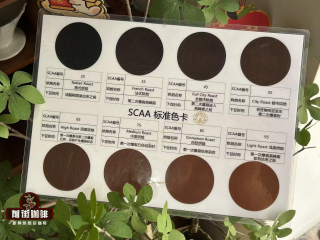
Coffee bean roasting degree comparison table graphic tutorial grading to distinguish which coffee bean tastes better in medium or deep roasting
Professional coffee knowledge exchange more information about coffee beans Please follow the coffee workshop (Wechat official account cafe_style) if you want to drink fresh and delicious coffee, it depends on what coffee beans are bought and how to keep them. Five roasting grades of coffee beans, the diagram teaches you to distinguish: 1. Roast in shallow culture is often found in cafes.
Basic chemical reactions that occur during coffee roasting
Many thermal and chemical reactions take place during baking: decarbonation, dehydration of quinic acid, fragmentation, isomerization, polymerization, and complex sugar reactions (caramelization). The main thermally reactive components are monosaccharides and sucrose, chlorogenic acid, displaced amino acids, and trigonelline amide. Both aravinone and calactose in polysaccharides are transferred, and basic sulfurization contains hydroxyamino acids.
The basic chemical reaction of coffee roasting process
Many thermal and chemical reactions take place during baking: decarbonation, dehydration of quinic acid, subdivision, isomerization, polymerization, and complex sugar reactions (caramelization). The main components of the thermal reaction are monosaccharides and sucrose, chlorogenic acid, free amino acids, and fenugreek amide. Both aravinose and calactose in the polysaccharides are transferred, and the basic vulcanization contains hydroxylated amino acid.
The basic chemical reaction that takes place during coffee roasting.
Many thermal and chemical reactions take place during baking: decarbonation, dehydration of quinic acid, subdivision, isomerization, polymerization, and complex sugar reactions (caramelization). The main components of the thermal reaction are monosaccharides and sucrose, chlorogenic acid, free amino acids, and fenugreek amide. Both aravinose and calactose in the polysaccharides are transferred, and the basic vulcanization process includes hydroxylamine.

The basic chemical reactions that take place during coffee roasting
Many thermal and chemical reactions take place during baking: decarbonation, dehydration of quinic acid, subdivision, isomerization, polymerization, and complex sugar reactions (caramelization). The main components of the thermal reaction are monosaccharides and sucrose, chlorogenic acid, free amino acids, and fenugreek amide. Both aravinose and calactose in the polysaccharides are transferred, and the basic vulcanization process includes hydroxylamine.
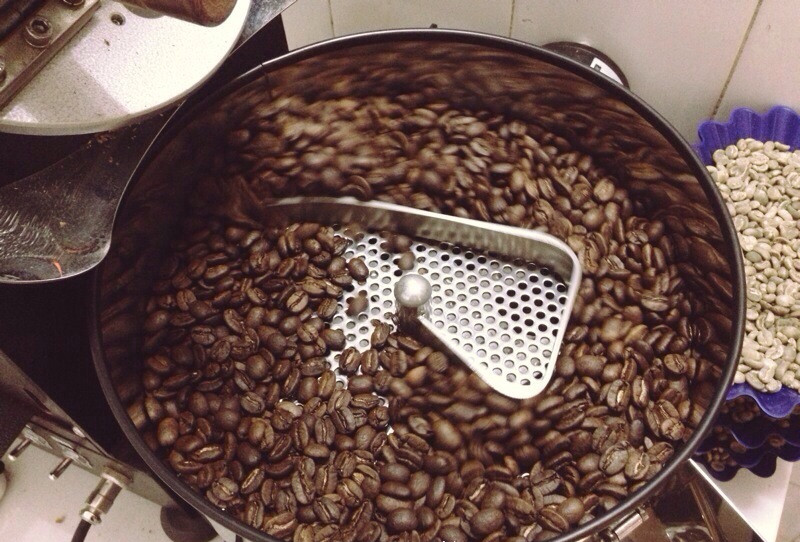
Basic chemical reactions of coffee beans during coffee roasting
Many thermal and chemical reactions take place during baking: decarbonation, dehydration of quinic acid, subdivision, isomerization, polymerization, and complex sugar reactions (caramelization). The main components of the thermal reaction are monosaccharides and sucrose, chlorogenic acid, free amino acids, and fenugreek amide. Both aravinose and calactose in the polysaccharides are transferred, and the basic vulcanization process includes hydroxylamine.
The basic chemical reactions that take place during coffee roasting
Many thermal and chemical reactions take place during baking: decarbonation, dehydration of quinic acid, subdivision, isomerization, polymerization, and complex sugar reactions (caramelization). The main components of the thermal reaction are monosaccharides and sucrose, chlorogenic acid, free amino acids, and fenugreek amide. Both aravinose and calactose in the polysaccharides are transferred, and the basic vulcanization process includes hydroxylamine.
The basic chemical reactions that take place during coffee roasting.
Many thermal and chemical reactions take place during baking: decarbonation, dehydration of quinic acid, subdivision, isomerization, polymerization, and complex sugar reactions (caramelization). The main components of the thermal reaction are monosaccharides and sucrose, chlorogenic acid, free amino acids, and fenugreek amide. Both aravinose and calactose in the polysaccharides are transferred, and the basic vulcanization process includes hydroxylamine.

The coffee roasting process introduces how coffee is roasted to highlight the desired flavor.
Professional coffee knowledge exchange more coffee bean information please follow the coffee workshop (Wechat official account cafe_style)